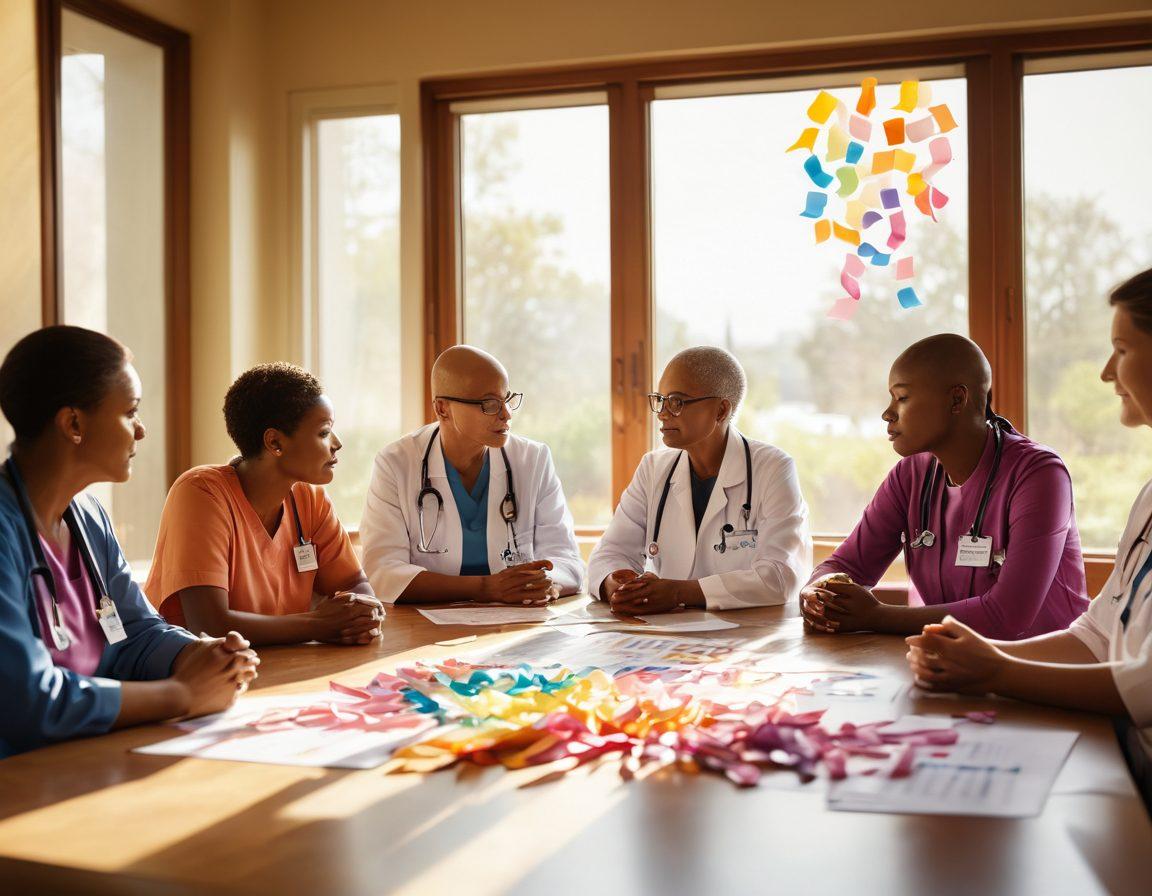
Navigating the Cancer Journey: Empowering Patients Through Awareness, Treatment Options, and Support
Cancer is a word that often brings fear and uncertainty. Yet, it is essential to remember that a cancer diagnosis is not a journey traveled alone. This blog post aims to illuminate the path of understanding your diagnosis, exploring treatment options, and seeking essential support. In this challenging experience, knowledge is power, and we will share insights that empower you to take charge of your cancer journey, transforming fear into strength. After all, what if the journey through malignancy can also lead to awareness, resilience, and even empowerment?
Understanding your diagnosis is the first crucial step in navigating cancer. When diagnosed with a tumor, be it benign or malignant such as carcinoma or neoplasia, don’t hesitate to ask questions. Engaging with your oncologist is vital; they are your advocate through this complex world of cancer care. Create a dialogue: What does my diagnosis mean? What staging does it involve? And what are my viable treatment options? This knowledge helps demystify oncology and allows you to harness the power of patient education, setting the tone for a more informed path forward. Remember, every question leads you closer to clarity and comfort in your journey.
As you explore treatment options, the range may seem daunting—ranging from traditional cancer therapy like chemotherapy and radiation to innovative approaches like clinical trials. It's essential to empower yourself with knowledge about these varied therapies. What has the latest oncological research revealed? How can diet and nutrition play roles in your recovery? That’s where understanding holistic health becomes significant. Each patient's experience is unique; seeking personalized treatment can lead to better outcomes. It's not merely about medications and procedures; it's about finding a comprehensive approach that works best for you.
Support should never be underestimated in this journey. While navigating through patient advocacy and connecting with support resources like support groups can make a difference, recognize that emotional resilience is equally important. Whether chatting with friends or seeking professional mental health support, find your community. There’s strength in shared experiences—knowing others have walked a similar path can provide not only comfort but also practical insights. Have you had one of those “aha!” moments with someone that made your burden feel lighter?
In conclusion, survivorship begins long before you hear the words 'all clear.' From the moment of diagnosis, your journey includes finding preventive measures, understanding symptoms, and engaging with the broader community outreach around cancer awareness campaigns. Every aspect, from early detection to navigating post-treatment life, shapes a more empowered existence. You have embarked on a journey of resilience, and while statistics may reveal the challenges, your personal experiences can redefine what it means to thrive in wellness. So, let's stand together in this journey—advocating for your health, embracing knowledge, and building a robust support network. How will you take your next step towards empowerment?
Awareness and Advocacy: The Cornerstones of Effective Cancer Care and Patient Survival
Cancer is a word that can strike fear into the hearts of many, but it’s crucial to remember that awareness and advocacy can serve as powerful shields in the battle against this disease. Imagine standing in a vast corridor where the walls are lined with doors, each one leading to a different path in your cancer journey. This is the world of oncology, filled with choices and opportunities for patients seeking not just survival, but a thriving life post-diagnosis. In this blog, we will explore how awareness campaigns, patient education, and support resources form the cornerstones of effective cancer care and ultimately enhance patient survivorship.
Consider this scenario: a patient walks into an oncologist's office feeling overwhelmed and scared. The diagnosis of malignancy can leave one staggering; the daunting terms like carcinoma, neoplasia, and tumor can create anxiety. However, knowledge is power. Through comprehensive patient education, individuals can learn about their diagnosis, treatment options, and even the importance of preventive measures alongside cancer therapy. So, how do we turn the tide from fear to empowerment? By emphasizing awareness and advocacy, we ensure every patient has a voice and access to the information they need to navigate their health journey.
Have you ever wondered how personal experiences shape our understanding of cancer care? When patients share their stories—about spotting the early symptoms, the journey to diagnosis, or their experiences with clinical trials—it offers valuable insights for others. Their narratives not only foster a sense of community but also serve as pivotal tools for advocacy in health and wellness. Support groups can be a lifeline, creating safe spaces where individuals can exchange survival tactics, practical advice on diet and nutrition, mental health strategies, and emotional support during treatment. As we connect, we realize that advocacy doesn't just happen on larger scales; it often begins in our communities.
Statistics can paint a sobering picture of cancer prevalence, yet they can also illuminate pathways to hope. Did you know that early detection dramatically increases survival rates? By participating in awareness campaigns and advocating for regular screenings, we can motivate individuals to take charge of their health. Dr. Jane Smith once said, 'Every day we raise awareness, we save lives.' Imagine how transforming this mindset can be, not only for patients but for society as a whole; awareness leads to preventive measures, and early intervention can mark the difference between life and death.
Empowerment through knowledge and support is crucial in the realm of cancer care. As patients arm themselves with information, they bolster their ability to engage in discussions with healthcare professionals and make informed decisions about their treatment. Whether pursuing the latest findings in oncological research or simply joining a local support group, the journey becomes less about facing a diagnosis alone and more about community, advocacy, and shared resilience. So, as we navigate the complexities of cancer, let's not forget—awareness, advocacy, and community outreach are not just cornerstones; they are lifelines that can lead patients toward a healthier future.
From Symptoms to Survivorship: Navigating Cancer with Knowledge, Community, and Wellness
Navigating the cancer journey can feel like sailing through uncharted waters. With every wave, there’s uncertainty, anxiety, and sometimes hope. But here’s the truth: knowledge is your compass. From symptoms to survivorship, understanding the landscape of oncology not only equips you with the tools to confront malignancies but also empowers you to take control of your health. As Ralph Waldo Emerson said, 'The only person you are destined to become is the person you decide to be.' In the midst of this challenge, you can decide to be informed and active in your cancer care journey.
Let’s start with the foundation: knowledge is power. Recognizing the symptoms of various carcinomas is crucial for early detection. This understanding can significantly affect outcomes and survival rates. Did you know that many types of neoplasia can be caught early with regular check-ups?Engaging in patient education creates a stronger line of defense against cancer. When you step into a doctor's office, knowing what to ask can make a world of difference. Your oncologist is your ally; don’t hesitate to discuss your symptoms, concerns, and queries about different treatment options, whether they include standard cancer therapy or groundbreaking clinical trials.
Most people know that cancer support groups exist, but the question is: how do they contribute to survivorship? These support resources create a community of shared experiences that can bring solace in the most challenging of times. Personal experiences shared within these groups offer insights into patient advocacy and can highlight the importance of mental health during treatment. Remember, cancer is not just a physical ailment; it takes a toll on your emotional and psychological well-being. When we talk about wellness, we’re talking holistic health: nutritional habits, emotional resilience, and a strong social support network are essential.
Maintaining a healthy diet and nutrition plan can aid in building your strength and resilience as you navigate treatment. Interested in preventive measures? Research shows that certain lifestyle choices can reduce the risk of developing certain malignancies. Consider integrating more fruits, vegetables, and grains into your meals. Additionally, don’t underestimate the power of community outreach. Being part of awareness campaigns can engage others in vital conversations that promote prevention and early detection, ultimately saving lives.
As you reflect on the journey from symptoms to survivorship, remember that your experiences matter. Engage with others, share what you learn, and embrace the ups and downs. As you navigate treatment, be proactive about seeking the latest in oncological research and clinical trials. Together, with knowledge, community, and wellness, we can forge a path through the complexities of cancer toward a brighter future.